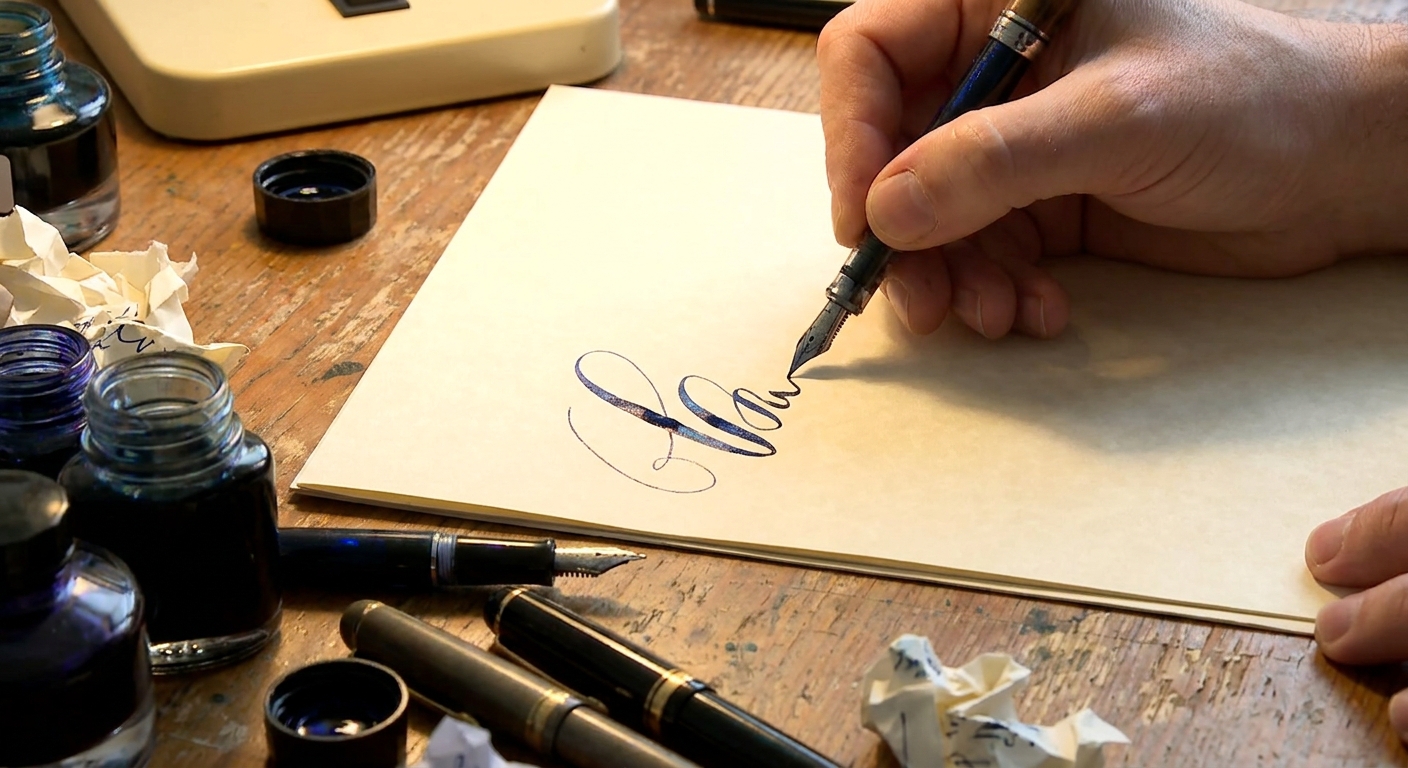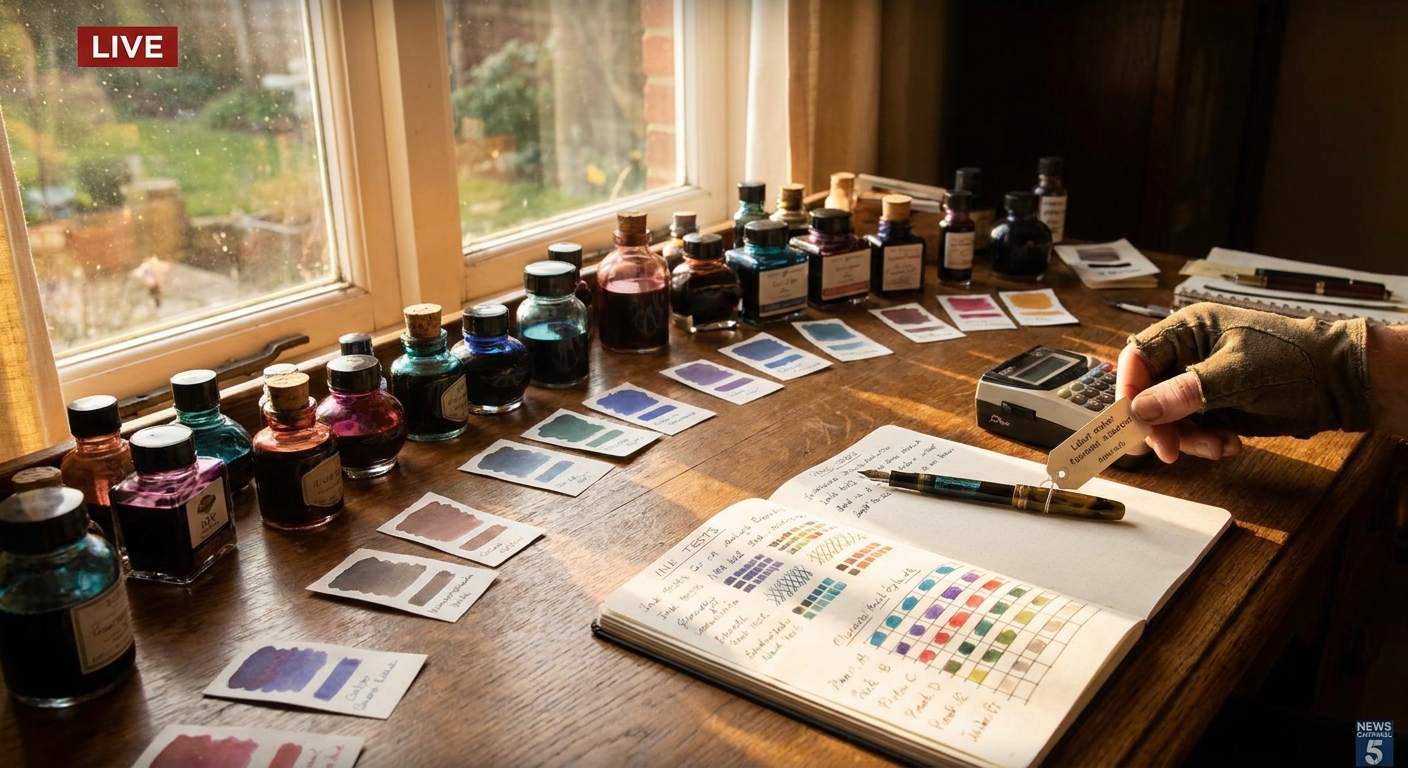
Many of us start with one sensible fountain pen and a bottle of blue‑black. Then we discover that a different ink can make the same pen feel entirely new—and suddenly we’re comparing swabs under daylight and obsessing over drying times.
Why Ink Is the True Gateway Drug
If pens are the instruments, inks are the scores we play. This guide walks you through building a thoughtful ink collection: how inks behave, how to match them to nibs and paper, and how to buy wisely from budget to boutique.
Step 1: Understand What Makes Inks Behave Differently
Before collecting, learn the core traits that separate one ink from another.
Flow and Wetness
- Wet inks
- Provide generous, dark lines.
- Enhance smoothness, especially in drier pens.
- Extend drying times; can smear on cheap paper.
- Dry inks
- Offer precision and control.
- Tame excessively wet nibs.
- Help on absorbent office paper.
- If they feel scratchy or starved, seek a wetter ink.
- If they gush or feather, a drier ink will restore discipline.
Consider your main pens:
Saturation, Shading, and Sheen
- Saturation: How intense the color is.
- Shading: Light‑to‑dark variation within a single stroke.
- Sheen: A secondary, metallic color where ink pools.
For formal notes, you might favor moderately saturated inks with subtle shading. For leisure writing, shading and sheen can turn a paragraph into a small visual drama.
Composition Types: Dye, Iron Gall, Pigment, and Shimmer
- Dye‑based inks
- The vast majority of fountain pen inks.
- Easy to clean, broad range of colors.
- Modern iron gall inks
- Start lighter and darken as they oxidize.
- Offer water resistance and archival qualities.
- Require regular cleaning but are generally safe in well‑maintained pens.
- Pigment inks
- Use tiny solid particles suspended in liquid.
- Highly water‑resistant and fade‑resistant.
- Demand more frequent flushing, especially in fine or rarely used pens.
- Shimmer inks
- Dye ink with suspended metallic particles.
- Spectacular in broad, wet nibs.
- Benefit from gentle agitation before use and sensible cleaning habits.
Step 2: Match Ink to Pen and Nib
The same ink can feel docile in one pen and unruly in another. Understanding your nibs is the key to intelligent pairing.
Fine and Extra‑Fine Nibs
- Best suited to:
- Everyday writing, notes, marginalia.
- Lower‑quality paper where broad nibs would feather.
- Ink pairing tips:
- Choose wetter inks if the pen feels dry or scratchy.
- Heavily sheening or shimmering inks may not reveal their full beauty in such narrow lines.
Medium and Broad Nibs
- Best suited to:
- Journaling, letters, signatures.
- Highlighting shading and complex colors.
- Ink pairing tips:
- Moderately wet to dry inks help prevent over‑broad, smeary lines.
- Shaders and sheeners shine here; broad nibs let the ink pool and separate.
Stub and Italic Nibs
- Best suited to:
- Elegant headings, calligraphic styles, expressive journaling.
- Ink pairing tips:
- Look for high shading inks for calligraphic flair.
- Avoid very dry inks if you’re a slow writer; they can feel draggy on downstrokes.
Step 3: Respect the Paper
A thoughtful ink collection is incomplete without considering the stage it performs on.
Everyday Copy Paper
- Challenges:
- Feathering, bleedthrough, showthrough.
- Strategies:
- Use fine nibs and drier inks.
- Prefer conservative shades (blue, blue‑black, black) that tend to be more controlled.
Fountain‑Pen‑Friendly Notebooks
- Benefits:
- Well‑sized paper that resists feathering.
- Allows inks to shade and sheen.
- Suggestions:
- Rhodia, Clairefontaine, and many Japanese notebooks offer an ideal playground.
- Experiment with wet inks and broader nibs here.
Specialty and Artist Papers
- Textured or cotton papers may:
- Enhance shading but mute sheen.
- Slow dry times.
- Use cases:
- Handwritten letters, special cards, sketching in ink‑and‑wash.
Keep a few different papers on hand to truly understand an ink. What looks lifeless on one sheet may be enthralling on another.
Step 4: Build a Core Palette Before You Chase Unicorns
Before stacking limited‑edition boxes, curate a small, hardworking palette.
The Practical Core (4–6 Inks)
Reliable blue or blue‑black
- For work, study, and general writing. - Aim for a balanced flow and respectable water resistance.
Neutral black or grey
- For scanning, signing, and high‑contrast notes. - Consider a pigment or modern iron gall if permanence matters.
Earthy brown or warm sepia
- For journals and letters. - Pairs beautifully with cream paper and vintage‑style nibs.
Subtle green or teal
- Offers variety without feeling loud. - Often shades attractively in medium to broad nibs.
One expressive color (violet, burgundy, or turquoise)
- For headings, personal correspondence, or creative writing.
Optional: a highlighter‑safe light ink
- Pale yellow or soft orange for study annotations with no bleed.
With this palette, you can cover nearly every writing context with taste and control.
Step 5: Buying Smart Across Budgets
Ink collecting need not be expensive—unless you want it to be.
Budget‑Friendly Approaches
- Large standard bottles
- Many established makers offer 50–80 ml bottles at reasonable prices.
- Ideal for workhorse colors you use daily.
- Ink samples
- Small vials (often 2–5 ml) sold individually or in sets.
- Let you test flow, color, and behavior before committing to a full bottle.
- Sharing and swapping
- Pen clubs and online communities often trade samples.
- A low‑cost way to explore rare or boutique inks.
Mid‑Range Indulgences
In the $15–$30 range per bottle, you’ll find:
- Limited seasonal releases.
- Complex, layered colors (e.g., blue‑black with plum undertones).
- Well‑curated series inspired by cities, writers, or natural themes.
These are excellent for journaling and letter writing, where you will savor each page.
Boutique and Collectible Inks
Above that, you enter the realm of:
- Hand‑mixed small batches.
- Intricate bottle designs and packaging.
- Rare colors, extreme sheen, or experimental formulations.
Treat these as luxury spices in your collection: delightful, but not necessary for daily sustenance.
Step 6: Care and Feeding of Your Inked Pens
A growing ink collection invites one essential discipline: cleaning.
Simple Maintenance Routine
- Flush when changing colors or properties
- From dark to light, shimmer to non‑shimmer, or dye to pigment.
- Use lukewarm water until it runs clear.
- Occasional pen flush
- A dedicated cleaning solution can lift stubborn residues.
- Particularly helpful after saturated blues, reds, and permanent inks.
- Respect for permanent and shimmer inks
- Avoid leaving them unused in a pen for weeks.
- Favor pens that are easy to disassemble and clean.
Storage and Shelf Life
- Keep bottles tightly closed and away from direct sunlight.
- Avoid dipping contaminated pens directly into bottles when possible; use a syringe or decant small amounts for eyedropper filling.
- Most modern inks last many years if stored sensibly, though color may shift slightly over very long periods.
Step 7: Document Your Discoveries
Treat your ink journey as a slow, ongoing study.
Create an ink journal with:
- Swabs and writing samples.
- Notes on pen, nib size, and paper.
- Comments on flow, shading, sheen, and drying time.
- Practical impressions: “Perfect for fast meeting notes,” or “Too slow‑drying for left‑handed use.”
Over time, you will see clear patterns—your preferred hues, the brands that suit your pens, the papers that make your favorite inks sing.
The Quiet Luxury of Choosing Your Line
Ink collecting is not about owning every bottle; it’s about the quiet luxury of fitting color, feel, and purpose together. A sober iron gall blue‑black in a fine nib for brisk marginalia; a soft, shading sepia in a broad stub for evening reflections; a shimmering teal in a glass‑desk pen for the rare letter that must feel special.
From bottle to page, the journey of ink is intimate and tactile. With a little knowledge and care, you can turn each choice—of hue, nib, and paper—into a deliberate act of self‑expression every time you uncap your pen.